Trust in the Time of Transparency: How Britain's Charities Must Navigate the Credibility Paradox

Trust in the Time of Transparency: How Britain's Charities Must Navigate the Credibility Paradox
Britain's charitable sector operates within a communications environment that would challenge even the most seasoned corporate strategist. Unlike commercial entities that can point to profit margins or market share as success indicators, charities must articulate complex social impact whilst simultaneously justifying every pound spent on administration, marketing, and strategic communications.
The stakes have never been higher. With over 168,000 registered charities competing for attention across England and Wales, and public trust in institutions at historic lows, third sector organisations face a credibility paradox that demands sophisticated messaging strategies.
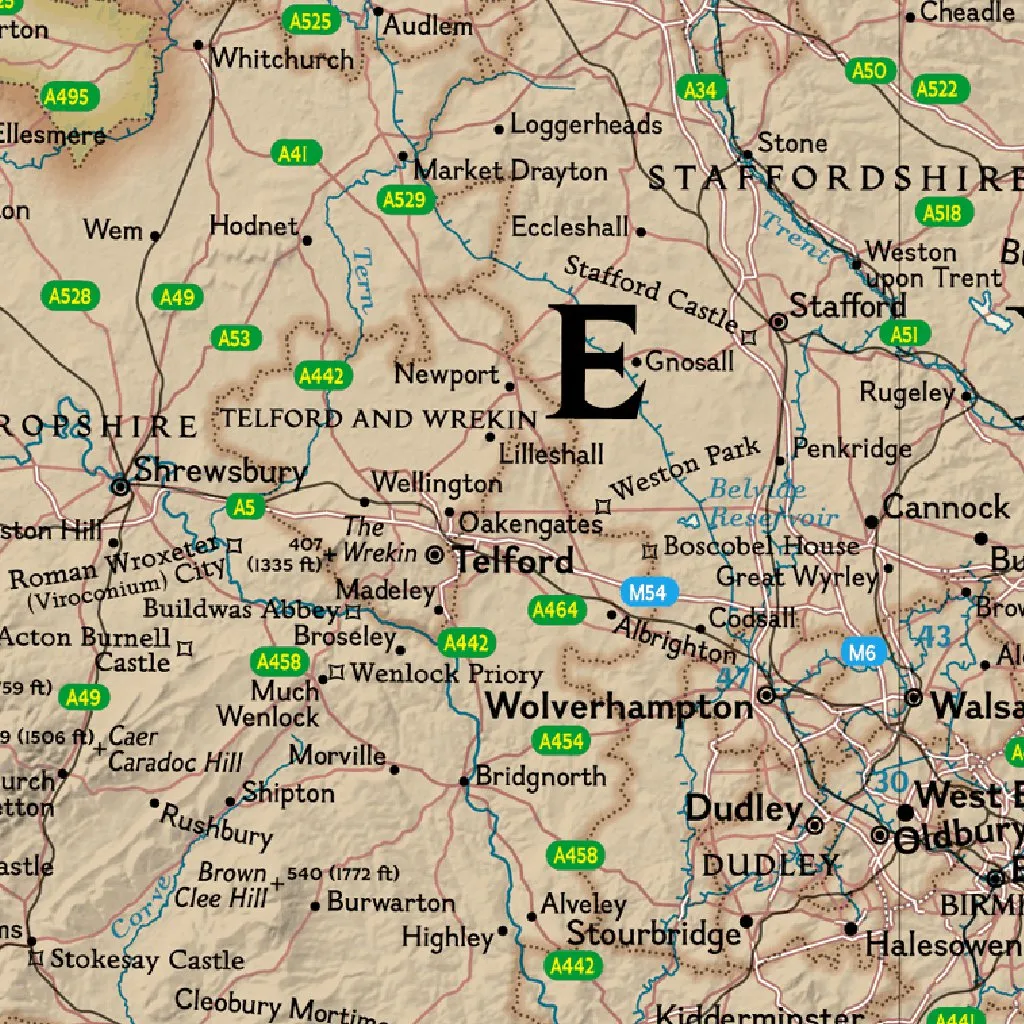 Photo: England and Wales, via store.avenza.com
The Regulatory Tightrope
The Charity Commission's increased focus on governance and transparency has created a communications landscape where every public statement carries regulatory implications. Charities must demonstrate impact without appearing wasteful, celebrate achievements without seeming self-congratulatory, and maintain donor confidence whilst acknowledging operational challenges.
 Photo: Charity Commission, via forumcentral.org.uk
This regulatory scrutiny extends beyond compliance into the realm of public perception. High-profile cases involving executive salaries and fundraising practices have created a climate where any communication perceived as excessive or self-serving can trigger immediate backlash. The result is a sector increasingly paralysed by the fear of saying too much, too little, or simply the wrong thing entirely.
Modern charity communications teams must therefore develop dual expertise: understanding both the technical requirements of regulatory reporting and the emotional intelligence required to maintain public trust. This demands messaging frameworks that can simultaneously satisfy Charity Commission expectations and resonate with diverse stakeholder groups.
Beyond the Emotional Appeal
Traditional charity communications have long relied on emotional storytelling to drive donor engagement. Whilst this approach remains powerful, it is no longer sufficient in isolation. Today's donors—particularly younger demographics—demand evidence-based impact measurement alongside compelling narratives.
The challenge lies in presenting quantitative data without losing the human element that drives charitable giving. Successful organisations are developing hybrid approaches that combine rigorous impact measurement with authentic storytelling, creating communications that satisfy both analytical and emotional decision-making processes.
This evolution requires charities to invest in data collection and analysis capabilities traditionally associated with commercial enterprises. The organisations that thrive will be those that can demonstrate clear causal relationships between donor contributions and measurable outcomes, whilst maintaining the authentic voice that distinguishes charitable work from corporate activity.
Competing in the Attention Economy
Britain's charitable sector operates within an increasingly crowded communications landscape. Social media algorithms favour engagement over substance, creating pressure to develop content that cuts through digital noise whilst maintaining institutional dignity. This tension between visibility and credibility represents one of the most significant strategic challenges facing charity communications teams.
The solution lies in developing content strategies that prioritise authentic engagement over viral reach. This means creating communications that genuinely serve beneficiary communities whilst building lasting relationships with supporters, rather than pursuing short-term awareness metrics that may compromise long-term reputation.
Successful charities are increasingly adopting content approaches borrowed from corporate communications: developing thought leadership positions, engaging in policy debates, and positioning their organisations as authoritative voices within their respective sectors. This strategy builds institutional credibility whilst creating multiple touchpoints for donor engagement.
The Integration Imperative
Perhaps the most significant missed opportunity within British charity communications is the failure to integrate messaging across all stakeholder groups. Too often, charities develop separate communications streams for donors, beneficiaries, regulators, and media, creating inconsistent narratives that undermine overall credibility.
Leading organisations are adopting integrated communications strategies that ensure message consistency whilst tailoring delivery methods to specific audiences. This approach requires sophisticated understanding of how different stakeholder groups consume information and make decisions, but creates exponentially more powerful reputation outcomes.
The key lies in developing core messaging frameworks that can be adapted rather than replaced across different channels. This ensures that whether a potential donor encounters the organisation through social media, traditional fundraising materials, or regulatory filings, they receive consistent signals about the charity's mission, values, and impact.
Building Sustainable Trust
Ultimately, the charity credibility gap can only be addressed through sustained commitment to transparent, evidence-based communications that prioritise long-term relationship building over short-term fundraising objectives. This requires significant cultural shifts within organisations that have traditionally operated with limited resources and informal communications processes.
The charities that will thrive in this environment are those that recognise communications as a strategic investment rather than a necessary expense. By developing professional communications capabilities that match their operational expertise, these organisations can build the public trust necessary to achieve their missions whilst navigating the complex regulatory and media landscape that defines modern charitable work.
For Britain's third sector, the path forward requires embracing transparency not as a regulatory burden, but as a strategic opportunity to demonstrate genuine impact and build lasting stakeholder relationships. The organisations that master this balance will not only survive the current credibility crisis but emerge stronger and more effective than ever before.