Speaking for the Silent: How Corporate Britain Consistently Misjudges Communication During National Mourning

The death of Queen Elizabeth II in September 2022 presented British businesses with an unprecedented communication challenge. Within hours, corporate social media accounts, websites, and official statements revealed the profound difficulty many organisations face when attempting to navigate the intersection of commerce and collective grief.
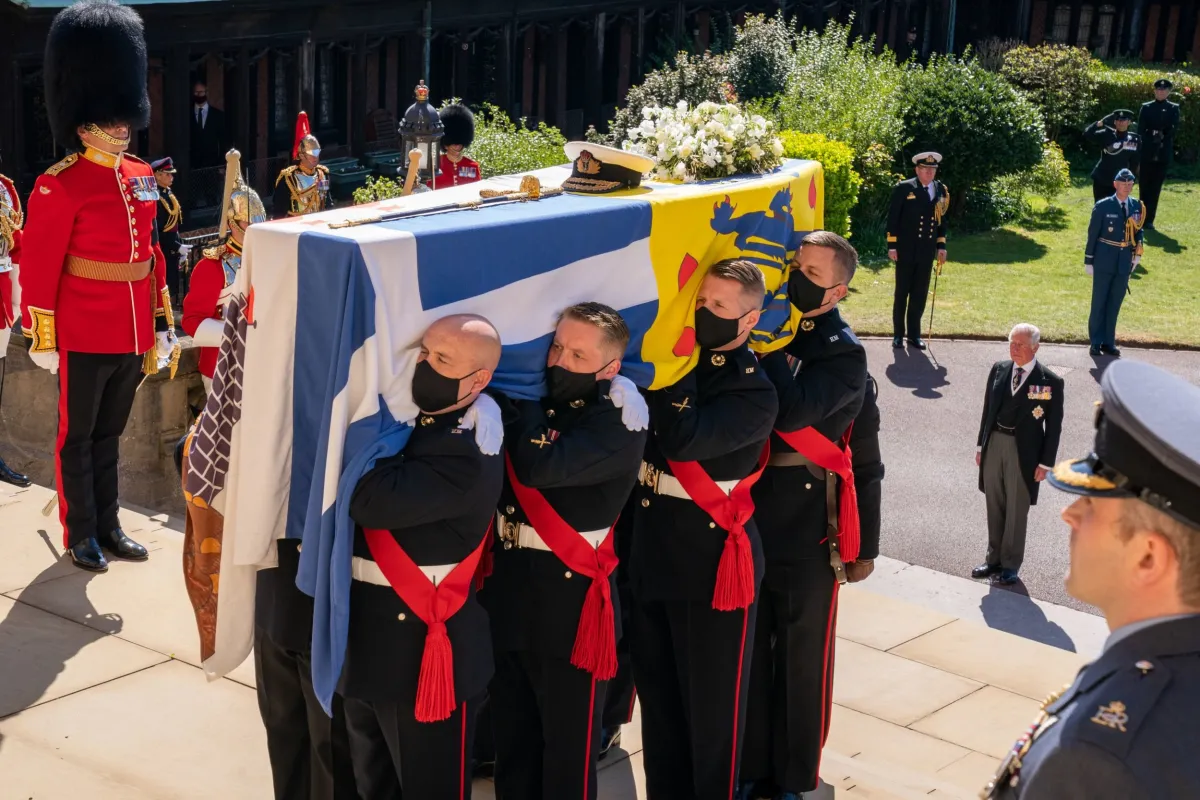 Photo: Queen Elizabeth II, via metro.co.uk
Some responses demonstrated genuine respect and appropriate restraint. Others exposed the limitations of standard corporate communication playbooks when confronted with moments that transcend ordinary business considerations.
The Immediate Response Dilemma
In the digital age, silence is rarely an option for major corporations. Social media algorithms, 24-hour news cycles, and stakeholder expectations create pressure for immediate response to significant events. However, national mourning periods demand a fundamentally different approach to corporate communication—one that many British businesses struggle to calibrate correctly.
The hours following the Queen's death announcement illustrated this challenge starkly. While some organisations issued brief, dignified statements acknowledging the loss and expressing condolences, others appeared to treat the moment as another opportunity for brand positioning.
One major UK retailer faced significant backlash after posting a tribute that included subtle product placement. A financial services company received criticism for a statement that seemed to emphasise its own royal warrant more prominently than genuine grief. These missteps weren't born of malice, but of institutional inability to distinguish between standard stakeholder communication and responses to profound national loss.
The Authenticity Test
National mourning periods function as authenticity litmus tests for corporate Britain. Standard public relations techniques—carefully crafted messages designed to enhance reputation while minimising risk—become counterproductive when applied to genuine collective grief.
Authentic responses to national mourning share several characteristics: brevity, humility, and focus on the loss rather than the organisation making the statement. They acknowledge the significance of the moment without attempting to claim reflected importance. Most importantly, they demonstrate understanding that some moments require corporate voices to recede rather than advance.
Conversely, inauthentic responses reveal themselves through several telltale signs: excessive length, subtle self-promotion, attempts to connect organisational values to the deceased, and timing that suggests opportunism rather than genuine sentiment.
The Commercial Sensitivity Matrix
Different types of businesses face varying levels of scrutiny during national mourning periods. Companies with direct connections to the Crown, the military, or British heritage carry greater responsibility for appropriate response. However, even organisations without obvious royal or national connections must navigate these periods carefully.
Retail businesses face particular challenges around operational decisions. Should stores close? Should marketing campaigns continue? Should sales events be postponed? These decisions communicate values more powerfully than any written statement.
During the Queen's funeral period, businesses that closed operations as a mark of respect generally received positive public response. Those that remained open for commercial advantage while posting tribute messages on social media faced accusations of cynical opportunism.
Learning from Historical Precedent
Britain's recent history provides numerous examples of corporate communication during national trauma. The 2017 Manchester Arena bombing, the 2020 early pandemic period, and various tragic incidents have tested business communication strategies repeatedly.
 Photo: Manchester Arena, via blogger.googleusercontent.com
Successful responses share common elements: immediate prioritisation of human impact over commercial considerations, practical support for affected communities, and communication that focuses on solidarity rather than corporate positioning.
Failures typically involve attempts to maintain normal commercial messaging during abnormal circumstances, tone-deaf promotional activities, or statements that appear designed primarily to protect corporate reputation rather than express genuine concern.
The Social Media Amplification Effect
Digital platforms have fundamentally altered the dynamics of corporate communication during national mourning. Social media's demand for immediate response conflicts with the reflection and consultation that appropriate responses require.
Moreover, social media's permanent, searchable nature means that poorly judged responses during sensitive periods can damage corporate reputation for years. Screenshots of inappropriate posts during national mourning become enduring symbols of organisational insensitivity.
The most effective corporate social media strategies during mourning periods involve predetermined protocols that prioritise pause over publication. Organizations that establish clear guidelines for sensitive period communication—including approval processes that bypass normal marketing teams—demonstrate superior crisis preparedness.
Building Mourning Communication Protocols
British businesses require specific protocols for communication during national mourning periods. These frameworks should address several critical elements:
Trigger Identification: Clear criteria for when mourning protocols activate, including royal deaths, national tragedies, and significant cultural losses.
Response Authority: Designated decision-makers who can authorise mourning period communications, typically senior executives rather than marketing departments.
Message Frameworks: Pre-approved templates that emphasise respect, brevity, and appropriate sentiment without requiring extensive drafting during emotionally charged periods.
Operational Guidelines: Predetermined policies regarding business operations, marketing activities, and commercial communications during mourning periods.
Review Mechanisms: Post-event analysis processes that evaluate response effectiveness and identify improvements for future sensitive periods.
The Reputational Long Game
Corporate behaviour during national mourning periods creates lasting reputational impact that extends far beyond the immediate grief period. Organisations that demonstrate genuine sensitivity and appropriate restraint build long-term stakeholder trust that proves valuable during future challenges.
Conversely, businesses that appear opportunistic or tone-deaf during collective grief face enduring reputation damage that can affect customer loyalty, employee engagement, and public support for years.
International Considerations
British businesses with global operations face additional complexity during UK national mourning periods. International stakeholders may not understand the cultural significance of British grief periods, while domestic stakeholders expect appropriate acknowledgement regardless of global commercial pressures.
Successful navigation requires clear internal communication about the domestic importance of appropriate response, even when international markets remain unaffected.
Conclusion
National mourning periods test corporate Britain's ability to subordinate commercial instincts to human sensitivity. The organisations that consistently navigate these challenges successfully understand that some moments require corporate voices to serve rather than sell, to acknowledge rather than advance, and to demonstrate rather than declare their values.
Building this capability requires advance preparation, clear protocols, and leadership willing to prioritise long-term reputation over short-term commercial opportunity. For British businesses operating in an increasingly scrutinised environment, mastering communication during national mourning isn't just about avoiding mistakes—it's about demonstrating the authentic corporate citizenship that modern stakeholders increasingly demand.