The Myth of United Kingdom Communications
When Lloyds Banking Group announced branch closures in 2019, their London-based communications team crafted what they considered a comprehensive UK-wide strategy. The messaging emphasised digital transformation and customer convenience — themes that resonated well with metropolitan audiences. However, in rural Scotland and Wales, where branch closures meant the loss of the last banking presence in entire communities, the same message triggered fierce backlash and accusations of corporate abandonment.
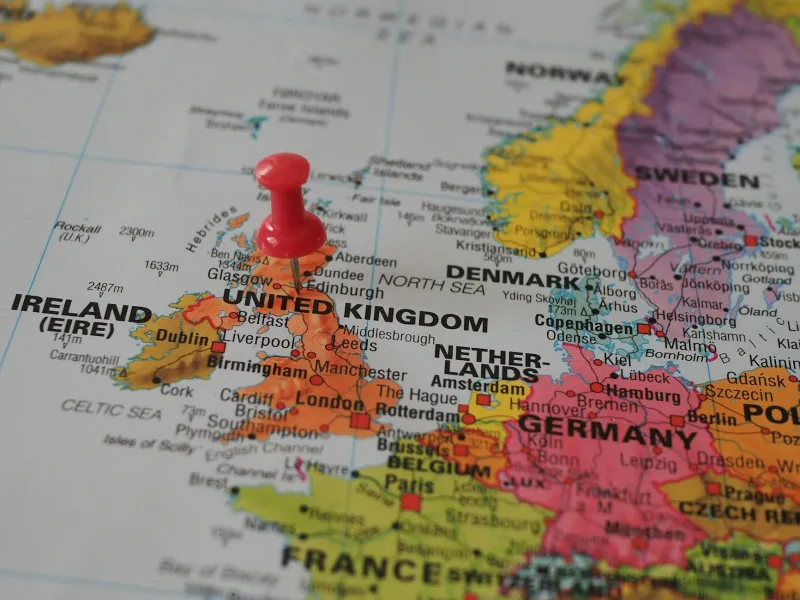
This communications failure illustrates a fundamental misunderstanding that costs British businesses millions in reputation damage annually: the United Kingdom is not a unified communications market. Four distinct nations with separate media ecosystems, political structures, and cultural expectations demand sophisticated, differentiated messaging strategies.
Yet most British corporations persist with one-size-fits-all communications approaches, treating Scotland, Wales, and Northern Ireland as afterthoughts to England-centric messaging. This approach is not merely ineffective — it is commercially dangerous in an era of strengthened devolution and heightened national identity.
The Distinct Media Landscapes
Each of Britain's four nations maintains its own media ecosystem with unique characteristics, priorities, and influence patterns. Understanding these differences is crucial for effective communications strategy.
Scotland's media landscape centres around titles like The Herald, The Scotsman, and the Scottish editions of UK nationals, but the real influence lies with BBC Scotland, STV, and increasingly, online platforms like The National. Scottish journalists prioritise stories through the lens of Scottish interests, often viewing UK-wide corporate announcements with scepticism about their relevance to Scottish audiences.
Wales presents perhaps the most complex media environment, with Welsh-language broadcasters S4C and BBC Cymru Wales operating alongside English-language titles. The Western Mail and Wales Online dominate print and digital respectively, but local radio stations wield disproportionate influence in smaller communities. Corporate communications that ignore Welsh language considerations or fail to acknowledge Wales as distinct from England face immediate credibility challenges.
Northern Ireland's media reflects the region's unique political dynamics. The Belfast Telegraph, Irish News, and News Letter serve different community perspectives, whilst BBC Northern Ireland and UTV provide broadcast coverage that carefully navigates sectarian sensitivities. Corporate messages that appear to favour one community over another, even inadvertently, can trigger significant controversy.
Political Sensitivities and Strategic Risks
Devolution has created distinct political contexts that demand careful communications navigation. The Scottish Parliament, Welsh Senedd, and Northern Ireland Assembly each maintain different policy priorities and regulatory approaches that affect corporate messaging.
 Photo: Welsh Senedd, via thumbs.dreamstime.com
 Photo: Scottish Parliament, via www.oviinc.com
Energy companies learned this lesson painfully when promoting fracking initiatives. Messages that emphasised economic opportunity and energy security played well in England but faced fierce resistance in Scotland, where the Scottish Government had banned fracking entirely. Companies that failed to adjust their messaging found themselves inadvertently challenging devolved government policy, triggering political backlash that extended far beyond environmental concerns.
Similarly, retail giants have discovered that employment announcements require careful calibration across nations. Job creation news that emphasises 'UK expansion' can be perceived as England-centric in Scotland and Wales, where audiences expect explicit acknowledgement of investment in their specific nations.
Cultural Expectations and Authentic Voice
Each nation maintains distinct cultural expectations about corporate behaviour and communication style. These differences extend beyond language to encompass fundamental assumptions about appropriate corporate conduct.
Scottish audiences often expect companies to demonstrate understanding of Scottish values around fairness, community, and social responsibility. Corporate messaging that appears purely profit-focused without acknowledging broader social impact faces particular scrutiny north of the border.
Welsh cultural expectations centre around respect for community, heritage, and the Welsh language. Companies that make efforts to communicate in Welsh, even symbolically, gain significant credibility, whilst those that ignore Welsh language considerations appear culturally insensitive.
Northern Ireland's unique history creates expectations around community balance and sensitivity to symbolic issues. Corporate communications that inadvertently reference divisive historical events or appear to favour one community can trigger disproportionate controversy.
Strategic Framework for Multi-Nation Communications
Successful cross-border communications in modern Britain requires a structured approach that balances consistency with cultural intelligence. This framework should encompass several key elements.
First, develop nation-specific media strategies that recognise distinct journalistic priorities and influence patterns. This means building relationships with Scottish, Welsh, and Northern Irish journalists who understand their audiences' specific interests and concerns.
Second, create messaging hierarchies that allow for consistent core messages whilst enabling nation-specific adaptation. The fundamental corporate position should remain constant, but supporting arguments and emphasis should reflect local priorities and sensitivities.
Third, invest in local expertise and presence. Companies that rely entirely on London-based teams to manage communications across all four nations inevitably miss crucial nuances and opportunities for authentic engagement.
Learning from Success and Failure
Some companies have mastered multi-nation communications through careful attention to local nuances. John Lewis Partnership's approach to store openings exemplifies best practice — each announcement emphasises the specific benefits to the local community whilst maintaining consistent brand values across all nations.
Conversely, several major retailers have faced significant backlash by treating Scotland, Wales, and Northern Ireland as afterthoughts. When companies announce 'UK expansion' that actually means English expansion, or describe 'nationwide' initiatives that exclude devolved nations, they damage credibility across all markets.
The Commercial Case for Cultural Intelligence
The business argument for sophisticated multi-nation communications extends beyond reputation protection to competitive advantage. Companies that demonstrate genuine understanding of Scottish, Welsh, and Northern Irish priorities build stronger customer loyalty and stakeholder trust.
Moreover, as devolution continues to evolve, businesses that establish strong communications foundations in all four nations will be better positioned to navigate future political and regulatory changes. The companies that treat Britain as four distinct markets today will be the ones that thrive as those distinctions become more pronounced tomorrow.
Building Tomorrow's Communications Strategy
Success in modern Britain requires abandoning the fiction of uniform UK communications and embracing the complexity of four distinct nations with separate expectations, media landscapes, and cultural priorities. This is not about political correctness — it is about commercial effectiveness in a devolved United Kingdom where one-size-fits-all approaches increasingly fit nobody at all.