Before You Face the Floor: Five Conversations Chief Executives Keep Postponing Until AGM Season Finds Them Out
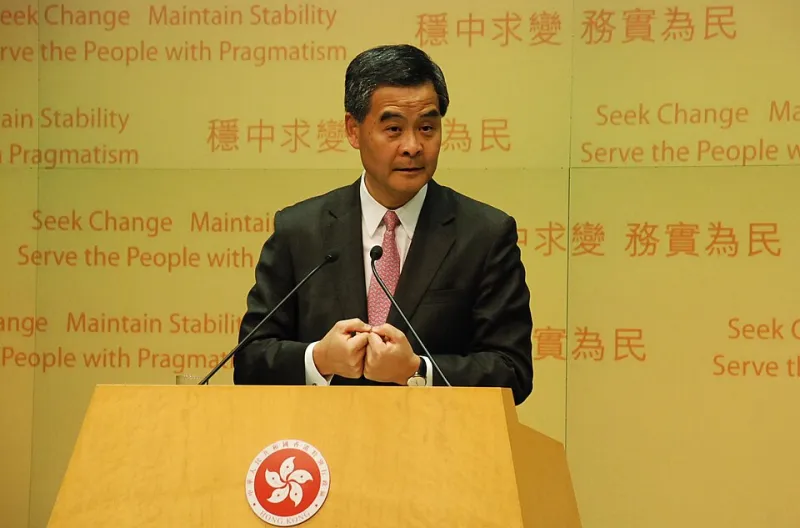
Photo: Iris Tong, Public domain, via Wikimedia Commons
There is a particular species of discomfort unique to the British AGM. It is the moment a chief executive, flanked by the board and buffered by procedure, is asked a question they have privately hoped would never be asked in public. The cameras are rolling, the proxy advisers are watching, and the answer that emerges is improvised.
Improvisation is rarely the problem itself. The problem is that the question was avoidable — and the avoidance was a choice.
Recent AGM seasons have delivered memorable examples of the genre: remuneration votes defeated by shareholders who felt unheard for months; climate resolutions tabled by investor coalitions after engagement stalled; pension protest groups turning an orderly meeting into a national news item. In nearly every case, the confrontation was predictable. What was missing was preparation.
The Five Conversations
1. Pay, and the story around it. No topic defeats more chief executives than executive remuneration. The conversation to have is not with shareholders on the day, but with the remuneration committee in the months before: does this package have a narrative a reasonable person would accept? If the only defence is that the formula permits it, expect the formula to be tested in public.
2. Climate, credibly. Transition plans are now scrutinised line by line — by investors, by campaigners, by regulators. The uncomfortable question is not whether the company has a plan but whether the plan survives contact with a sceptical audience. Rehearse the answer to the hardest version of that question, not the version the sustainability team prefers.
3. The workforce proxy. AGM questions increasingly arrive on behalf of employees — pay ratios, outsourcing, site closures. A chief executive who has not spoken plainly with their own people about these matters will be answering them second-hand, and badly.
4. The shareholder who is already unhappy. Every board knows which investor is drafting the rebuke. Meeting them before the AGM does not guarantee agreement; it guarantees that the public exchange is a continuation of dialogue rather than its beginning.
5. The question nobody has asked yet. Every organisation has a vulnerability its leadership privately acknowledges and publicly declines to name — a legacy liability, a disputed market, a difficult exit. If the board cannot discuss it candidly in private, it will not survive discussion in public.
From Avoidance to Architecture
The remedy is procedural, not charismatic. Effective AGM preparation treats the meeting as the final act of a year-long engagement programme:
- Map the likely questions through the eyes of the company's harshest credible critic.
- Script the substance, not the sentences. Executives who recite lines read as evasive; executives who have internalised the argument read as confident.
- Rehearse under pressure. Mock hostile sessions with a chair who does not play fair reveal more than a month of briefing packs.
- Decide in advance what will not be answered — and practise declining gracefully.
The Credibility Dividend
AGMs reward a specific quality: the sense that the person at the front of the room has nothing to hide and has thought about everything. That impression is not manufactured in the meeting. It is manufactured in the quiet months before, in conversations most executives would rather postpone.
Postpone them, and AGM season will find you out. Have them early, and the floor becomes what it should be: an audience, not an ambush.